Pest Control: Powerful Approaches to Defend Your Residence and Business
Pest Control: Proven Techniques to Safeguard Your House and Business
Preface to Pest Control
Pest Control refers to the management or organization of creatures considered as pests – creatures that unfavorably influence personal pursuits or environments. In New Jersey, in which multiple biological communities meet urban-adjacent and metropolitan development, productive Pest Control is not solely a nonessential but a requirement for maintaining healthy dwelling and working environments. From the sprawling districts of Monmouth County to the integrated residential areas of Matawan, pest outbreaks can affect any person, regardless of how sanitary or adequately preserved their real estate may be.
The value of implementing potent Pest Control procedures can't be emphasized enough. For property owners, pests can wreck structural strength, spoil food provisions, and create significant health risks. Establishments meet these equivalent obstacles, with the additional apprehension of reputation harm and likely forfeit of patrons if invasions are identified. Standard pests in New Jersey involve rats and mice like rats and mice, various invertebrates such as ants, cockroaches, and bed bugs, and the particularly harmful termites that can stealthily undermine a building's structural basis.
Why Pest Control Is Important
Health Threats of Pest Control Methods
Numerous pests carry and transfer sicknesses that can affect persons and pets. Vermin are recognized vectors of hantavirus, salmonella, and leptospirosis. Cockroaches can induce asthma attacks and allergic sensitivities, particularly in juveniles. Ticks, copious in New Jersey's tree-covered regions, are distinguished for distributing Lyme disease, while mosquitoes can pass on West Nile virus and Eastern Equine Encephalitis. Trained Pest Control assists alleviate these health perils by eradicating the root of these prospective disease transmitters.
Property Damage in Pest Control
The structural deterioration created by pests can be widespread and exorbitant. Termites alone bring about over $5 billion in house injury every year throughout the United States, with New Jersey homes being remarkably open due to the state's climate. Rodents can munch through electrical wiring, forming fire risks, while their ongoing chewing can ruin insulation, pipes, and lumber architectural elements. Even apparently safe ants can impair timber structures if permitted untreated, particularly carpenter ants which are widespread in Monmouth County.
Budgetary Consequences of Pest Control Services
Overlooking pest outbreaks can result in considerable pecuniary ramifications. What could initiate as a insignificant outbreak calling for easy remedy can promptly expand into a considerable trouble necessitating wide-ranging correction. For businesses, specifically those in the food industry or leisure sectors, pest incursions can lead to unsuccessful health assessments, provisional stoppages, and permanent impairment to name and consumer belief. Allocating resources in periodic Pest Control is not merely about instantaneous convenience—it's a sustained pecuniary shield.
Pest Control: Ordinary Household and Company Pests
Rats and Mice (Rats and Mice)
When it involves spotting rodent issues in your New Jersey home, vigilance is key. You perhaps notice waste near food provisions, in storage units, or below sinks. Bite marks on food wrapping, lumber, and power wiring are clear indicators of their attendance. At after dark, you may distinguish grating sounds in partitions, overhead surfaces, or below floors as these night-time organisms grow energetic. If you locate habitats produced from ripped paper, cloth, or dried plant matter, that's a apparent indication rodents have created themselves settled. Oily rub marks across baseboards and walls materialize as rodents utilize the equivalent paths regularly, while your pets may show odd conduct such as barking or digging at regions underneath appliances or pieces where rodents hide.
Rats and mice in New Jersey homes and establishments pose several hazards outside pure inconvenience. They can contaminate food and cooking counters with germs found in their pee and dung. Their persistent need to gnaw can harm goods, especially electrical lines, which forms fire risks. In Matawan and neighboring vicinities, the Norway rat and house mouse are specifically challenging, prospering in both built-up and peripheral settings. Efficient Pest Control measures are fundamental to manage these destructive infiltrators.
Invertebrates (Ants, Cockroaches, Bed Bugs)
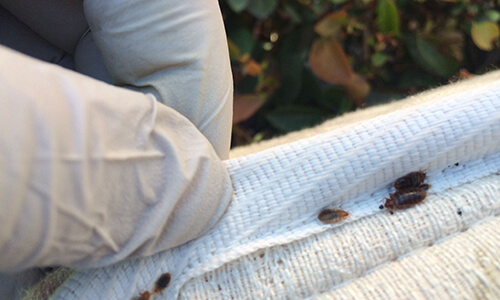
Bug outbreaks exhibit themselves in numerous manners depending on the type. Ant predicaments grow clear when you detect perceptible ant lines heading toward food pest control services New Jersey sources, or when you uncover diminutive piles of earth or wood shavings constructed by carpenter ants. Cockroach issues often exhibit themselves through dark waste similar to coffee grounds or black pepper, a particular fusty scent that infiltrates plagued areas, and the appearance of egg capsules in camouflaged corners. Bed bug infestations emerge as rust-colored dots on mattresses and fixtures, shed skins near relaxing locations, minute blood discolorations on sheets, and bothersome red welts on skin commonly placed in a series or gathering.
Insects embody the most multifarious category of pests in New Jersey. Cockroaches can activate asthma and hypersensitivities while circulating numerous pathogens. Bed bugs, while not disease transmitters, cause significant irritation, sleep disruption, and mental distress. Some ant varieties, like carpenter ants frequent in Monmouth County's wooded locations, can generate structural harm similar to termites across time. Expert Pest Control companies can spot particular insect kinds and enact specific handling tactics that deal with the specific mannerisms and fragilities of each pest.
Termites
Recognizing termite existence early needs knowing the subtle indicators of their presence. You could detect cast-off wings near openings and access points after swarmers have located a mate and set up a new community. Mud tubes on outside walls, lumber beams, or in crawl openings operate as guarded highways for these ruinous arthropods. Wood that echoes cavernous when tapped signals termites have been dining from internally. Access points and windows that all at once cling may demonstrate contorting from termite damage, while broken or swelling paint comparable to water impairment often conceals termite activity underneath. Uncovering frass—termite feces reminiscent of small wood-colored particles—furnishes another evidence of their undesired presence.
Termites pose perhaps the most considerable structural hazard among all typical pests. In New Jersey, the Eastern subterranean termite is abundant and exceptionally harmful. These insects can continue hidden for periods while making substantial harm to timber structural pieces. Homes in Matawan and across Monmouth County, principally older buildings, are at risk to termite outbreaks. The mean price of term pest control.
Pest Control Protection Considerations
Safe Use of Products and Chemicals in Pest Control
While pesticides turn required in your pest control plan, focusing on protection demands attention to several critical methods that protect individuals, pets, and the environment. Always read and adhere to product directions precisely, as these legally-binding instructions demonstrate thorough examination and official assessment intended to reduce hazards. Utilize the smallest successful volume of pesticide to reach control while minimizing unnecessary substance introduction into your residential space. Use substances only in spaces indicated on the product instructions, eliminating improper applications that may generate unexpected hazards or decrease efficacy. Wear proper safety equipment as stated by product producers to eliminate direct contact during use. Store chemicals in their original bottles with labels preserved to retain access to security information and avoid mix-ups. Record detailed logs of all treatments, noting substances used, mixing rates, places applied to, and times of treatment for future use. Ensure sufficient setting and air circulation before reoccupying treated spaces, particularly important in New Jersey's conditions where humidity can impact curing periods. Think about safer options when effective, as advances in pest management have created many lower-toxicity solutions that retain performance while decreasing potential dangers.
Shielding Animals and Young ones Throughout Pest Control Treatments
Particular safeguards turn essential when implementing pest control steps in homes with vulnerable household members. Take away companions during treatment and until surfaces are set to stop close contact with damp chemicals or gases that could generate harmful reactions. Protect or move pet nutrition, water bowls, and items before treatment to prevent pollution that could lead to unintentional ingestion. Keep children's items apart from treatment areas, especially objects that young children might place in their lips. Sanitize and clean meal cooking surfaces after treatment, even if they were not specifically treated, to remove any remains that might have settled during application. Maintain kids apart from treated locations for the suggested period, lengthening this time for mobile babies who have greater immediate contact with surfaces and low surfaces. Consider pet-safe and non-toxic to children substance choices when accessible, as many modern formulations target particular pest physiology while decreasing human harm. Most significantly, advise qualified technicians about the occurrence of animals, children, or expecting household occupants before they design service strategies, allowing them to change techniques and substance selections accordingly.
Legal Requirements and Conformity with Pest Control
Pest control in New Jersey operates within a legal system intended to defend public wellness and the environment while ensuring successful pest control. The New Jersey Department of Environmental Protection monitors pest control procedures, necessitating professional pest elimination organizations to meet certain criteria. Organizations must employ licensed applicators who have passed government assessments showing expertise in pest biology, service procedures, and security guidelines. These businesses must preserve appropriate protection coverage protecting both their technicians and their customers from potential harm or injuries linked to pest control activities. Tight rules oversee product housing, transportation, and discarding to prevent environmental contamination and improper access. Professionals must provide Safety Data Sheets upon inquiry, detailing the characteristics and dangers of substances utilized in applications. Alert requirements apply for some applications, especially in multiple-unit structures or business locations with several occupants. Detailed treatment documentation must be upheld, forming an review record of pest management activities. Additionally, only substances authorized for use in New Jersey may be legally employed, confirming that regional natural situations and habitats have been examined in the authorization process. For industrial establishments in Matawan and throughout Monmouth County, further regulations may relate based on the sector, especially for dining business, healthcare, and child care facilities where pest management intersects with other community safety aspects.
Environmentally-Friendly Pest Control Options
Comprehensive Pest Management (IPM) System
Combined Pest Control exemplifies the gold standard in contemporary pest control, emphasizing on lasting protection through a blend of techniques that limit environmental influence while increasing performance. The IPM process commences with comprehensive inspection and monitoring to pinpoint pest presence exactly, creating starting facts about species occurring and quantity counts. This creates accurate determination of pest species, confirming control work aim at certain patterns and weaknesses rather than using universal methods. Experts establish threshold quantities that warrant response, acknowledging that the basic detection of a few pests does not necessarily need intervention if quantities remain below damaging levels. When treatment turns required, IPM implements several control strategies in cooperation, generally beginning with safest methods and advancing only when needed. Across the system, practitioners examine success and modify methods as necessary, establishing a dynamic system adaptive to evolving circumstances. Most importantly, IPM focuses on prevention over control, dealing with construction and environmental conditions that maintain pest groups rather than merely eliminating current organisms. Many pest control organizations in New Jersey offer IPM-based treatments that correspond with the area's push toward minimal-impact pest treatment procedures, especially in critical locations like learning institutions, medical facilities, and meal manufacturing facilities.
Chemical-Free Control Techniques
Efficient pest control often includes natural techniques that can fix or decrease pest troubles without adding products into the ecosystem. Structural blockades such as screens, entry seals, and caulking stop pest penetration totally, dealing with the issue at its root. Direct systems like traps and blocking equipment extract existing pests while blocking new infestations. Living systems including beneficial creatures and microorganisms add natural antagonists that focus on individual insects while keeping useful insects unharmed. Behavioral methods modify the surroundings to prevent organisms, such as modifying irrigation schedules to lower moisture that lures specific bugs. Environment adjustment decreases hiding places and sustenance supplies, rendering properties less hospitable to troublesome guests. For certain pests like bed bugs, heat treatments offer highly effective treatment without toxic remains by increasing thermal levels over the heat lethal level for all living periods of the intended pest. Likewise, cooling techniques for warehoused commodity creatures like food bugs or food storage insects can eradicate infestations in edible products without harmful residue. These strategies prove especially important in New Jersey's diverse environments, where closeness to water systems, protected natural areas, and concentrated urban hubs forms various conditions where pesticide minimization grows preferable or essential.
Sustainable Pest Control Treatment Options
The pest control field persists to advance toward additional eco-conscious practices that retain efficiency while reducing ecological impact. Plant-based pesticides extracted from organic extracts like pyrethrum, neem, and aromatic extracts offer focused elimination with reduced longevity in the surroundings. Organic treatments containing organisms, fungi, or viruses that target specific pest insects supply accuracy that conventional wide-range pesticides are unable to match. Growth regulators that inhibit pest procreation by interfering with developmental phases deliver lasting population limitation without instant poisonous effects on adult organisms. Attractant tools that monitor or disturb pest mating assist determine when intervention grows necessary and can avoid procreation in some species. The business increasingly adopts minimal-impact products with reduced natural effect, moving apart from conventional formulations with broader impacts on unintended creatures. Exact treatment equipment that decrease entire substance use administer services exactly where necessary rather than distributing substances throughout extensive areas. Green qualification initiatives for pest control companies set standards for environmentally better care and give clients with distinct marking of services pledged to environmentally-friendly methods. In environmentally vulnerable zones of New Jersey, featuring sections of Monmouth County with proximity to water sources, these green strategies are especially useful for protecting both human health and natural ecosystems while continue to offering successful pest treatment.
Finding a Local Pest Control Service Provider in New Jersey
Capitol Exterminating System
272 NJ-34
Matawan, NJ 07747
(732) 441-1900
Frequently Asked Questions (FAQs) about Pest Control
How commonly should pest control be carried out?
For most New Jersey properties, quarterly pest control delivers proper security against seasonal pest challenges. This frequency coordinates with the area's separate times, each creating various pest challenges that require proactive focus. Spring services commonly deal with appearing ant populations and dormant organisms growing energetic. Summertime procedures emphasize on mosquitos, ticks, and multiple airborne insects that flourish in warmer weather. Fall applications ready properties for rodents and hibernating insects looking for protection as conditions decrease. Winter treatments sustain protection against interior creatures while handling small mammal activity at its maximum. Though, this frequency may expand for structures with certain danger elements or continuing concerns that demand increased comprehensive management. Homes near forested regions in Monmouth County may advantage from extra tick and flying insect procedures across top cycles. Properties with history of specific pest concerns frequently demand directed additional services over the standard four times yearly routine. Industrial properties, specifically dining preparation establishments in locations like Matawan, frequently call for frequent care to maintain compliance with health standards and stop invasions that could injure reputation and commercial processes.
Is expert pest control protected for companions?
When performed appropriately, specialist pest control can be safe for animals through thoughtful material choosing and employment methods that minimize contact. Current focused treatment methods and minimal-impact products have substantially enhanced protection aspects compared to older pest control methods. Modern treatments often employ products especially engineered to have limited toxicity to pets while staying productive against target creatures with separate physiologies. Professional technicians get preparation in treatment procedures that locate substances in areas pets can't enter, such as wall gaps, fissures and spaces, or back of devices. Nevertheless, animals should be taken away during procedure and until all treatments have cured totally, obeying individual waiting durations advised by the chemical producer and professional. Fish containers should be protected and ventilation systems stopped during service to eliminate pollution from floating matter. Pet belongings including beds, objects, and nutrition bowls should be relocated or shielded while performing service. Talk about any worries with your pest control service, who can propose proper delay durations based on the certain applications employed and adjust approaches for households with particularly sensitive companions like birds or reptiles that may have distinct biological sensitivities than cats and canines.
What are the symptoms of a major pest invasion?
Apart from visible insects themselves, numerous danger signs suggest potentially serious problems calling for immediate pest control response. Strange aromas frequently emerge with extensive issues – stale, slick scents may show mice and rats, while sweet, distinctive scents periodically follow German cockroach colonies. Puzzling structural harm like sinking floors, rising finish, or crumbling wood may expose wood-destroying insect activity or carpenter ant infestations damaging building components. Peculiar disturbances within walls or attics, especially at evening, commonly suggest small mammal activity as these evening organisms grow mobile in hidden spaces. Plentiful powder looking like tiny shavings near timber components may truly be frass or droppings from wood-destroying creatures. Some residences face unexplained physical issues like respiratory problems or discomfort that resolve when gone from house, probably suggesting insect infestations impacting inside air purity. In New Jersey residences, specific care should be paid to lower level and foundation areas where moisture troubles can sustain pest groups, notably in mature houses throughout Monmouth County where structural splits and deteriorating mortar create various invasion points. Discovering many lifeless bugs of the similar type indicates a more extensive colony near, while residue signs along baseboards reveal set rodent trails with regular activity.
Can I stop pests without pest control chemicals?
Absolutely, numerous pests can be eliminated through suitable cleaning, exclusion, and environment change without resorting to toxic treatments. The foundation of non-toxic pest control commences with complete barrier activities – closing gaps, spaces, and holes that let creatures to penetrate buildings in the beginning position. Installing door strips, mending torn filters, and closing utility openings gets rid of usual access locations. Removing feeding supplies through proper nutrition containment in secure receptacles, prompt removal of messes and pieces, and routine trash collection significantly decreases lures that draw insects indoors. Minimizing humidity by mending dripping plumbing, enhancing ventilation in damp spaces, and dealing with water removal problems gets rid of the moisture sources multiple creatures demand. Maintaining a space region around structures by trimming foliage, clearing leaf waste, and maintaining wood raised and apart from properties lowers shelter locations and penetration points. Applying solid blockades like metal screen or metal wool to prevent bigger spaces offers long-term barrier protection for small mammals and rodents. Frequent sanitation that contains removal openings and gaps removes creature young and food waste that maintain pest development. For current problems, though, some type of elimination product may be required to fix set issues, though many lower-risk solutions are available including diatomaceous earth, boron compound, and bug-eliminating solutions that deliver minimized hazard relative to conventional substances.
What should I look forward to while having qualified pest control service?
A professional pest control procedure usually initiates with a complete assessment to identify pest varieties, invasion spots, and supporting situations contributing to the trouble. The expert should spend effort reviewing both internal and external spaces, giving particular focus to cooking areas, bathrooms, underground areas, and edge foundations where pest activity commonly focuses. Subsequent to this examination, the technician should explain their results in detail and suggest a procedure approach adapted to your specific case, addressing both the specific organisms and the approaches proposed for controlling them. You may obtain setup instructions before service, potentially featuring repositioning belongings, clearing individual spaces, or protecting pets. In the course of the treatment, the professional will use suitable chemicals to designated zones according to the pest varieties identified, concentrating on openings, crevices, and pest shelter spaces rather than broadcasting services over full spaces. They may position monitoring tools like creature devices or attractant systems that support track advancement and offer ongoing protection. After finishing applications, a expert should detail any following-application precautions such as air circulation needs, re-entry periods, or areas to wipe. Before going, they should arrange follow-up visits if essential for particularly persistent creatures like bedbugs or German cockroaches that usually call for multiple procedures for full elimination. Within this process, technicians should welcome queries and provide clear details about the chemicals and techniques applied, reflecting their education and dedication to both effectiveness and wellness.
Effective pest control is an essential element of sustaining safe, harmless living and professional spaces in New Jersey. From the humid summers that create mosquitoes and ticks to the chilly times when rodents seek protection interior, pest challenges stay a continuous worry for occupants and businesses in Monmouth County and Matawan. By grasping frequent creatures, applying protective measures, and realizing when to obtain qualified aid, home owners can shield their properties and the wellbeing of occupants.
Using a proactive strategy to pest control is invariably increasingly productive and affordable than reacting to active issues. Frequent evaluations, correct preservation, and addressing tiny problems before they worsen can stop the considerable fees and disturbances linked with serious pest troubles. When professional help grows essential, deciding on a trustworthy, qualified pest control provider who utilizes comprehensive pest management approaches ensures efficient outcomes with limited surrounding influence.